Contact Us

作者姓名:Lady

Custom apparel comparison of direct embroidery on a polo chest and embroidered patches on a jacket and cap, arranged on a factory table for a brand method review
Blog

Direct Embroidery vs Embroidered Patches: Which Should You Choose?

Clothing brand founders, merchandisers, and buyers often have to choose between stitching a logo into the garment and applying an embroidered patch. This guide compares the two on garment type, logo complexity, application, cost, and brand look. You leave with a short checklist covering fabrics, removable badges, sew-on versus heat-seal, and when to test a sample before you lock a method.

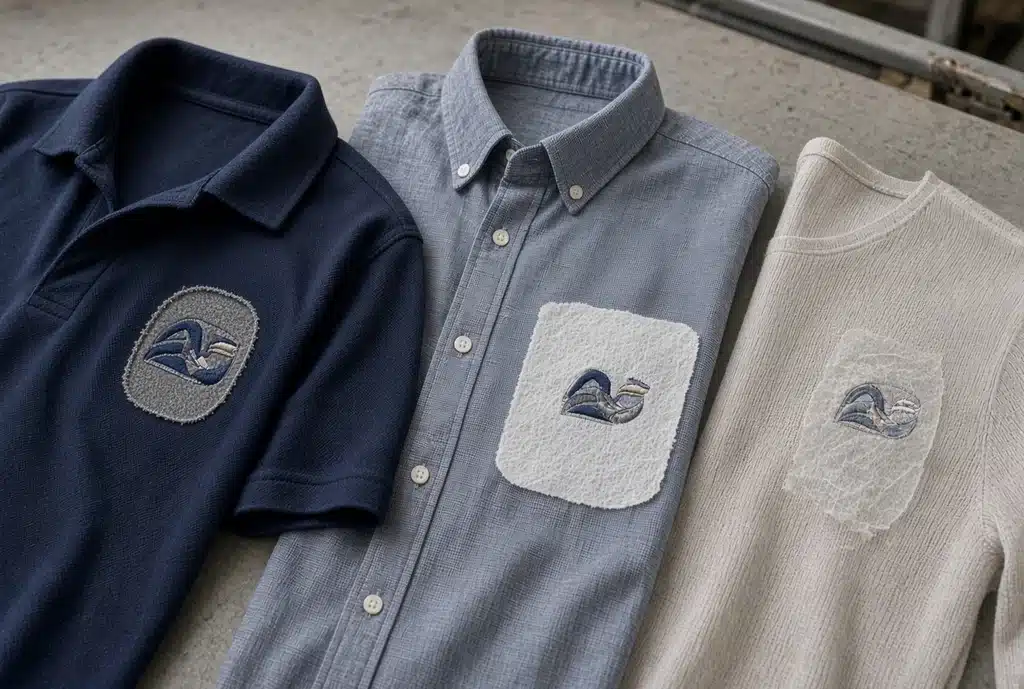
Polo, woven shirt, and delicate knit on a factory table showing cut-away, tear-away, and wash-away embroidery backing under logos for custom apparel
Blog

Embroidery Backing and Stabilizers: Cut-Away vs Tear-Away vs Wash-Away

Clothing brand founders, merchandisers, and buyers use this guide when a logo looks fine in the file and puckers on the garment. It explains embroidery backing and stabilizers — cut-away, tear-away, and wash-away — and how each choice changes puckering, hand feel, and wash life on polos, tees, jackets, fleece, and caps. You leave with selection rules by fabric and a short checklist to confirm before bulk embroidery.

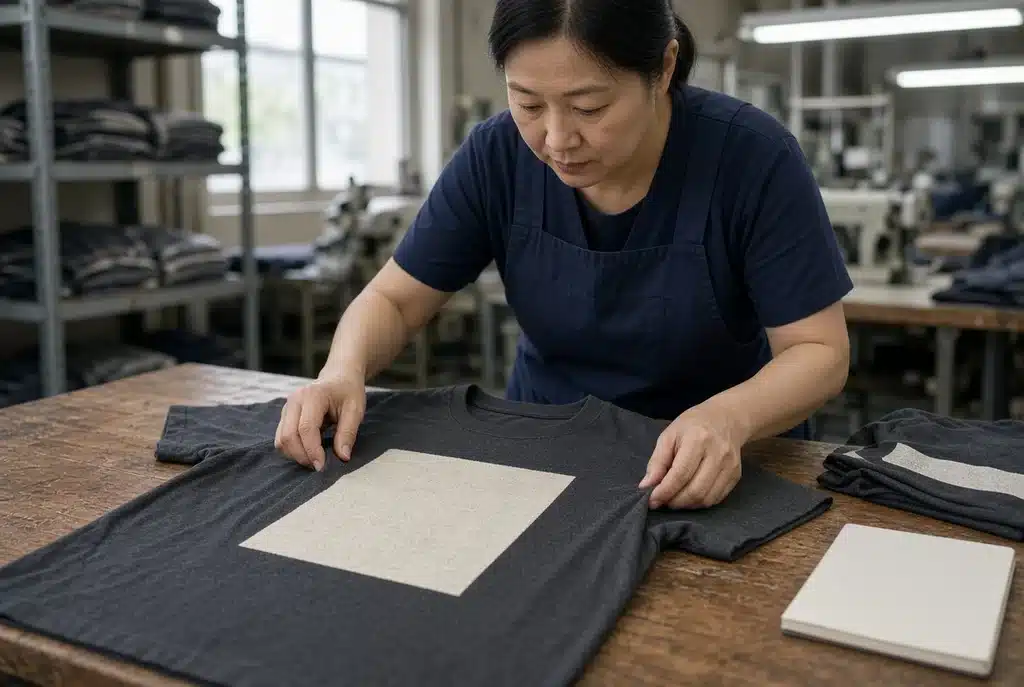
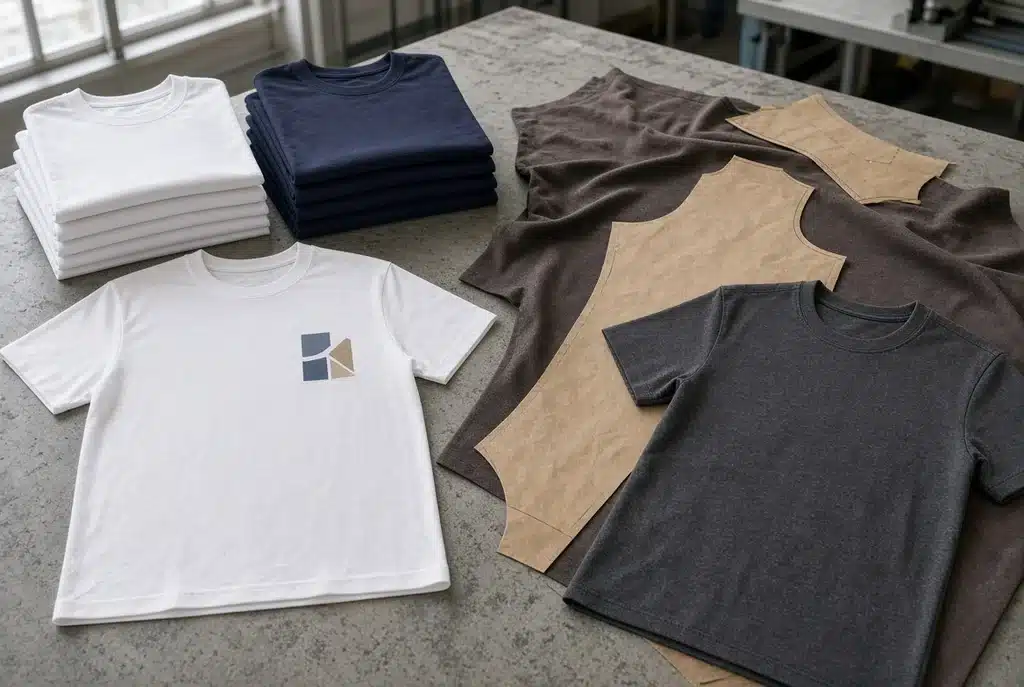
Printed blank T-shirt beside cut-and-sew fabric panels, pattern pieces, and a custom sample on a factory table
Blog

Cut-and-Sew T-Shirts vs Printed Blanks: Which Is Better for Your Brand?

This guide helps clothing brands choose between decorating an existing blank and developing a T-shirt from fabric. It weighs product control, launch stage, quantity, and brand goals, so the route matches what the shirt is actually selling: the artwork, the garment, or both. Neither path is treated as automatically better. The point is to match the production route to the product’s real source of value before sampling or decoration begins.

Polo pique, woven shirt fabric, fleece hoodie, and jacket shell with embroidered logos, illustrating embroidery-friendly fabrics for machine embroidery on clothing.
Blog

What Is the Best Fabric for Machine Embroidery on Clothing?

Clothing brand founders, merchandisers, and buyers use this guide when a logo has to be stitched and the fabric is still open. It shows how stability, weight, stretch, and texture change stitch clarity, puckering, and hand feel. You leave with workable options — polo pique, woven shirts, fleece — and the fabrics that need a simpler mark or a sample on the bulk cloth.

Screen-printed garment sample inspected for print durability and surface condition before bulk approval
Blog

How Small Can Embroidered Text Be? Logo and Lettering Guidelines

Clothing brands often see a screen print crack, fade, or peel and assume every print shares the same lifespan. This guide explains the production, garment, artwork, care, and inspection factors that change how a print holds up. It covers what to check on a sample, how to agree a practical care test, and which questions to ask before bulk approval.

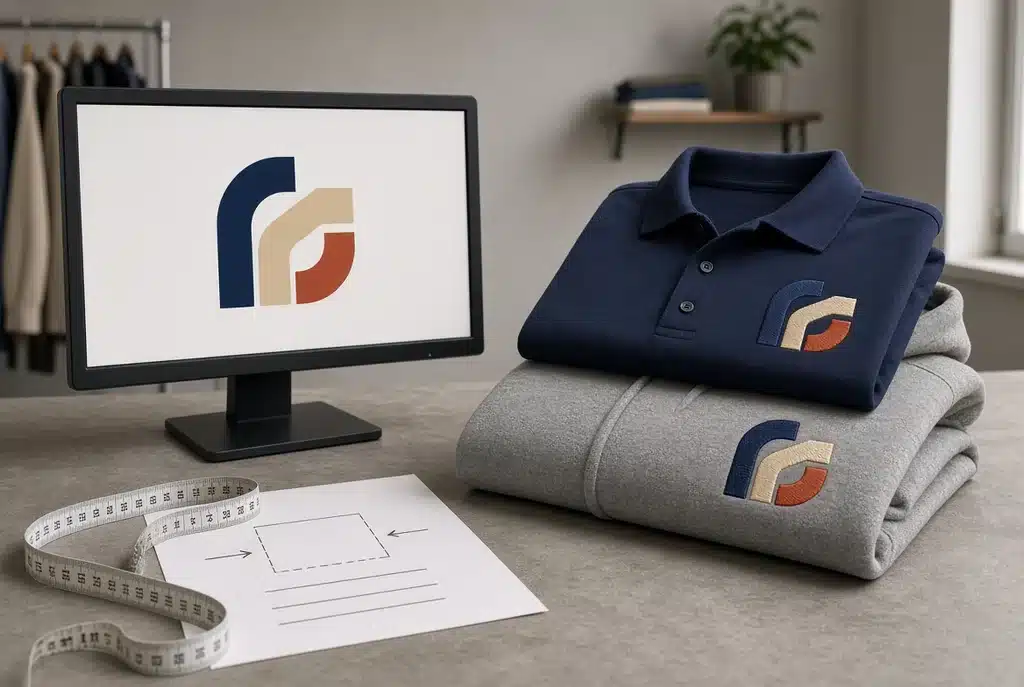
A vector logo on screen next to embroidered samples on a polo and a hoodie, showing how custom apparel artwork is prepared before digitizing.
Blog

How to Prepare a Logo for Embroidery: A Complete Artwork Checklist

Clothing brand founders, merchandisers, and buyers use this guide when a logo that looks sharp on screen has to survive thread. It walks through vector files, how to simplify detail and text, color limits, size by garment, and placement references. The embroidery artwork checklist at the end is what to send before digitizing, so the first sew-out is a real approval, not a redraw.

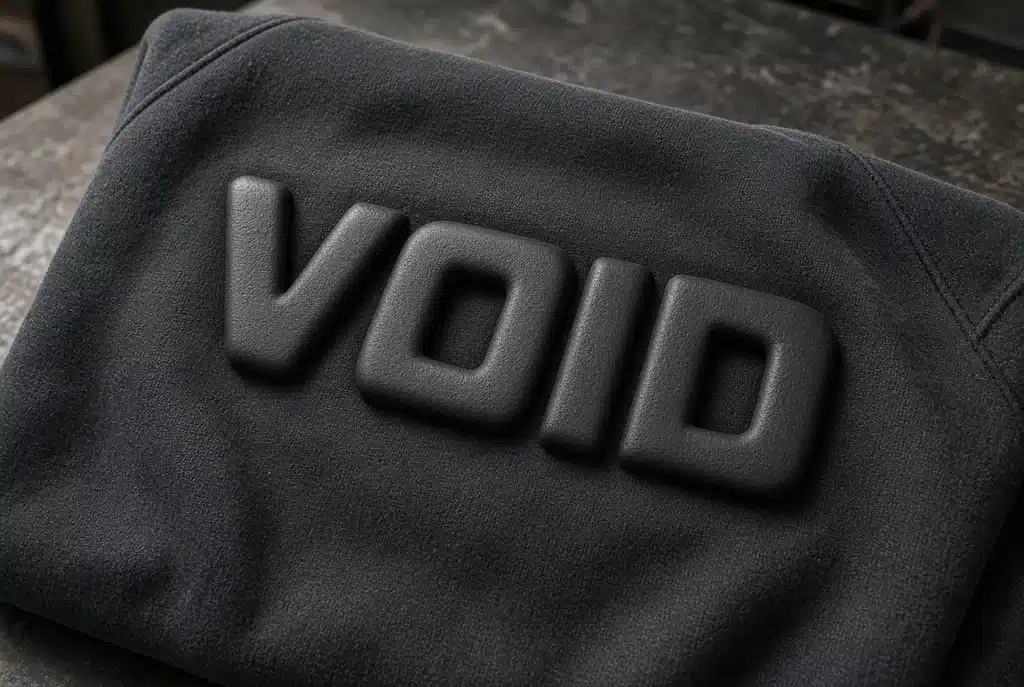
Raised puff-print logo on a streetwear garment, close view of the dimensional surface
Blog

What Is Puff Printing? A Guide for T-Shirts, Hoodies, and Streetwear

Clothing brands looking at a raised logo or streetwear graphic need more than a flat proof. This guide explains how puff printing creates height, which t-shirts, hoodies, and artwork can carry it, and how fabric, placement, and hand feel change the result. It also covers what to check on a physical sample before the finish is approved for bulk.

Screen-printing garment samples and production specifications reviewed for cost planning, with print size, placement, and garment color notes on a factory table
Blog

What Affects Screen Printing Cost? Quantity, Colors, Size, and Placement

Clothing brands often receive screen-printing quotes that cannot be compared side by side. This article explains the cost drivers that change a quote, from quantity and color count to print size, placement, fabric, garment color, artwork, samples, labels, and packing. Use it to write a complete specification before sampling or bulk production, and to avoid judging a job by a unit price that leaves out half the work.

滚动至顶部