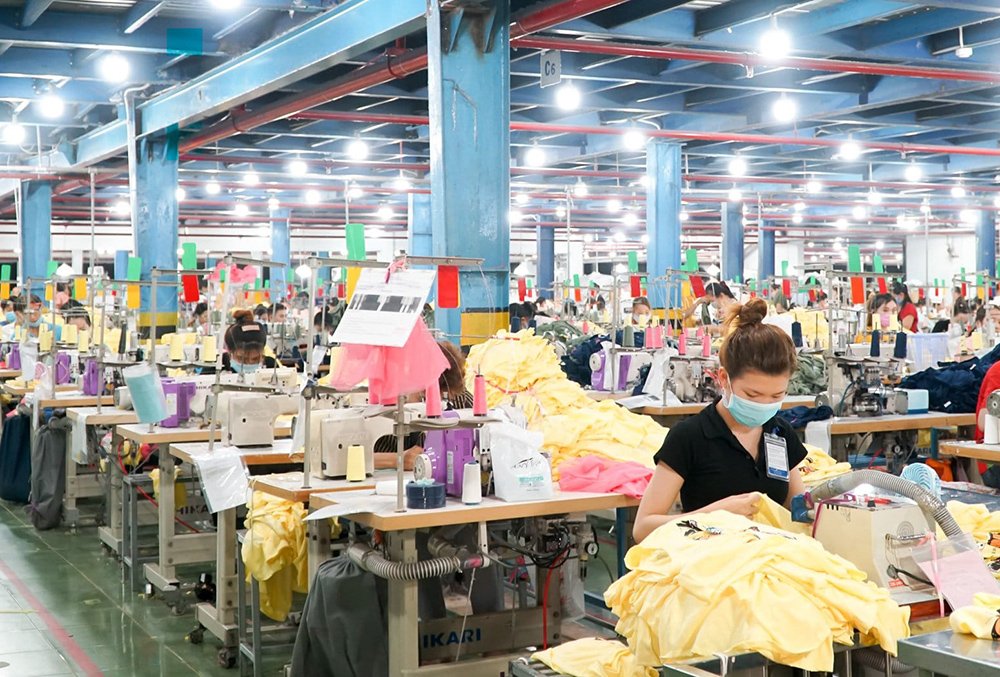
Fabric Sourcing Services
Fabric Sourcing for Clothing Brands
The right fabric must support more than the appearance of a garment. It also needs to work with the intended fit, comfort, construction, decoration, price point and production requirements.
MYB helps clothing brands identify, compare and prepare suitable fabrics for garment development and manufacturing. From initial material references and swatch selection to sample evaluation and bulk fabric coordination, we connect fabric sourcing with the complete production process.
- Fabric Selection Support
- Swatch and Sample Coordination
- Sourcing Integrated with Garment Production
How the Right Fabric Shapes the Finished Garment
Choosing fabric is not simply a matter of selecting a fiber name, color or surface texture. Two fabrics with a similar composition can behave very differently after cutting, sewing, washing and wearing.
Fabric weight and construction influence the silhouette of a garment. Drape and hand feel affect its appearance and comfort. Stretch and recovery influence fit, movement and shape retention. Shrinkage, surface stability and color performance can affect sizing and consistency during production.
MYB evaluates fabric in relation to the garment it will become. Depending on the product, this may include reviewing:
- Silhouette and drape: Whether the material creates the intended flowing, relaxed, fitted or structured shape.
- Comfort and hand feel: How the fabric feels against the skin and whether it suits the intended customer and wearing environment.
- Weight and coverage: Whether the fabric provides the required thickness, opacity, warmth and seasonal suitability.
- Stretch and recovery: Whether the material provides sufficient movement while returning to its original shape.
- Decoration compatibility: Whether the surface is suitable for the required printing, embroidery or finishing process.
- Production stability: How the fabric is expected to behave during cutting, sewing, pressing and washing.
You can learn more about the fabrics and materials used in garment production before deciding which direction best suits your product.
Understanding Your Fabric Requirements
Every sourcing project begins with understanding the garment, the target customer and the commercial conditions of the order. A suitable fabric must meet the product brief while remaining practical for sampling and bulk production.
Useful information for beginning a fabric sourcing project includes:
- Garment sketches, technical drawings or a tech pack
- A reference garment, existing fabric swatch or physical sample
- Preferred fiber composition and fabric construction
- Target fabric weight or GSM
- Desired hand feel, drape, texture and appearance
- Required stretch, recovery or performance characteristics
- Color references or Pantone codes
- Printing, embroidery, washing or finishing requirements
- Expected order quantity and number of colors
- Target price range and required delivery schedule
- Testing, certification or documentation requirements
A complete technical specification helps narrow the search more efficiently, but it is not always necessary at the first discussion. If your project is still at an early stage, you can begin with reference images, an existing garment or a fabric sample.
Images can communicate the general direction, but they cannot confirm exact composition, weight, construction, hand feel or color. Physical references and approved fabric samples are more reliable when accurate matching is required.
Fabric Types and Garment Applications
MYB helps customers explore knitted and woven fabric options according to the intended garment and production requirements. The following are representative sourcing directions rather than a fixed inventory list.
T-Shirts and Everyday Basics
Cotton jersey, cotton blends, stretch jersey and performance knits may be considered according to the desired softness, weight, fit and end use.
Hoodies and Sweatshirts
French terry, fleece and other structured knitted fabrics can be evaluated based on warmth, surface finish, weight, shrinkage and garment silhouette.
Polo Shirts
Piqué, jersey and performance blends may be selected according to the required texture, breathability, collar structure and wearing environment.
Activewear and Sportswear
Stretch fabrics, recovery-focused constructions and moisture-management materials can be explored according to the required level of movement, support and comfort.
Shirts, Dresses and Lightweight Garments
Lightweight knitted or woven fabrics can be selected based on drape, transparency, texture, structure and the intended garment design.
Jackets, Trousers and Workwear
Twill, canvas and other structured woven fabrics may be evaluated for durability, stability, weight and construction requirements.
Loungewear and Kids Clothing
Soft, comfortable and application-appropriate materials can be considered according to skin contact, movement, care requirements and product positioning.
Actual availability, colors, specifications and minimum quantities must be confirmed for each project. If preferred-impact, recycled or certified materials are requested, the relevant material documentation should be verified for the specific supplier and order.
Stock, Standard and Custom Fabric Options
Different projects require different sourcing routes. MYB helps customers compare available options based on design flexibility, quantity, budget and timeline.
Available and Stock Fabrics
Available fabrics may be suitable for sample development, smaller initial orders or projects with shorter preparation schedules. They can reduce development steps, but color, composition and quantity options are limited to current availability.
Stock status can change, so fabric availability must be reconfirmed before an order is placed.
Supplier Standard Fabrics
Standard fabrics are established constructions or specifications regularly offered by a fabric supplier. They may provide a practical balance between selection, consistency and commercial feasibility.
Customers may be able to choose from existing compositions, weights and color ranges without developing an entirely new fabric. Repeat availability still needs to be reviewed before future reorders.
Custom-Developed Fabrics
When standard options do not meet the product brief, custom development may be considered for:
- Custom colors
- Specific fabric weights
- Alternative fiber blends
- Knit or woven constructions
- Printed fabric designs
- Surface treatments or finishing effects
- Project-specific performance requirements
Custom development normally requires additional sampling, approval time and supplier-specific minimum quantities. Technical feasibility must be assessed before the final specification is confirmed.
Our Fabric Sourcing Process
MYB follows a structured sourcing process to connect material selection with sample development and garment production.
Step 1 — Requirement Review
We review the garment design, reference material, desired performance, quantity, target price and delivery requirements. Any important testing or documentation needs should also be identified at this stage.
Step 2 — Fabric Search
Potential fabric directions are explored according to the approved brief. The search may include available fabrics, supplier standard materials or custom-developed options.
Step 3 — Fabric Shortlisting
Suitable candidates are compared by composition, construction, weight, color, hand feel, stretch, price, minimum quantity and expected availability.
Step 4 — Swatch Review
Selected swatches are presented for physical review. This allows the customer to compare appearance and hand feel before deciding which option should proceed to garment sampling.
Step 5 — Garment Sample Evaluation
The selected fabric is used in the sample development process so that its drape, fit, comfort, sewing performance and overall appearance can be evaluated as a complete garment.
Step 6 — Fabric Approval
The fabric specification and approved physical reference are confirmed before bulk material arrangements begin. Any approved color, finish or performance requirements should be clearly recorded.
Step 7 — Bulk Fabric Coordination
After approval, the required fabric is coordinated for bulk garment production. Delivery, incoming review and production timing are aligned with the manufacturing schedule.
From Swatch Approval to Bulk Fabric Control
A small swatch provides useful information, but it cannot show every aspect of how a material will perform as a finished garment. MYB therefore connects fabric approval with garment sampling and bulk production preparation.
Swatch Review
The initial review may cover:
- Composition and construction
- Fabric weight and thickness
- Color and surface appearance
- Hand feel and drape
- Stretch and recovery
- Price, availability and minimum quantity
If custom dyeing or printing is required, physical lab dips, strike-offs or other relevant samples should be approved instead of relying on colors displayed on a screen.
Garment Sample Evaluation
The garment sample shows how the fabric works with the pattern, seams, trims and intended silhouette. It also gives the customer an opportunity to review comfort, coverage, stretch and appearance under more realistic conditions.
Because fabric behavior can affect dimensions and fit, material evaluation should remain coordinated with pattern making and fit development.
Bulk Fabric Review
Depending on the fabric and project requirements, bulk material review may include:
- Color and shade comparison
- Fabric weight and usable width
- Surface appearance and visible defects
- Stretch and recovery
- Shrinkage behavior
- Consistency with the approved reference
- Suitability for the required garment construction
These fabric-specific checks form part of MYB’s broader approach to garment and material quality control.
Formal laboratory testing, third-party inspection or certification verification should be agreed upon before ordering when required. The necessary checks may vary according to the material, target market and customer specification.
Balancing Performance, MOQ, Cost and Lead Time
The most visually appealing fabric is not always the most practical choice for a particular order. A workable sourcing decision must balance product performance with commercial and production conditions.
Availability
An available fabric may support faster sampling and production preparation, but the choice of colors, weights and compositions may be limited.
Customization
Custom colors, compositions and constructions provide greater product differentiation, but they generally require additional development, approvals and production time.
Minimum Order Quantity
Fabric MOQ may be determined by the construction, dyeing method, color, finishing process and supplier production conditions. It is therefore not possible to apply one fixed MOQ to every fabric.
Cost
Fabric cost is influenced by fiber composition, construction, weight, finishing, quantity and testing requirements. The lowest-priced material may create other costs if it performs poorly during sewing, washing or wear.
Lead Time
Available material, custom dyeing and newly developed fabric follow different timelines. Fabric approval and material preparation should therefore be considered when planning the overall garment delivery schedule.
Repeatability
Brands planning repeat orders should consider future availability, color continuity and batch variation. Where possible, repeat-order requirements should be discussed during the initial sourcing stage rather than after the first production run.
MYB helps customers understand these trade-offs so that the selected fabric remains suitable for both the garment and the intended production plan.
Why Source Fabrics with MYB
Fabric sourcing works best when material decisions are made together with garment development and manufacturing.
Through MYB’s integrated garment manufacturing services, customers can coordinate fabric selection, pattern development, garment sampling and production through one manufacturing partner.
Fabric Selection Connected to the Final Product
We evaluate potential materials according to how they are expected to perform in the intended garment, rather than treating fabric as an isolated purchase.
Fewer Handoffs During Development
Keeping fabric sourcing connected with sampling and manufacturing reduces the need to coordinate separate suppliers for every development stage.
Practical Commercial Review
Fabric options are considered together with quantity, price, availability, customization requirements and production timing.
Clear Approval Points
Swatches, custom colors, garment samples and bulk materials can be reviewed at the appropriate stages before the project moves forward.
Continuity from Development to Production
The material selected during product development can be coordinated with the requirements of cutting, sewing, finishing and bulk garment production.
Fabric Sourcing FAQs
Can MYB source fabric from a reference garment or fabric swatch?
Yes. A physical garment or fabric swatch can provide useful information about the desired composition, construction, weight, texture and appearance. MYB can use the reference to search for a suitable existing option or evaluate whether custom development is required.
An exact match cannot always be guaranteed because the original material may use a proprietary construction, discontinued yarn or unavailable finishing process. We will review the reference and explain the practical options available for the project.
Can you source both knitted and woven fabrics?
MYB can help explore knitted and woven fabric options for different apparel applications. The appropriate sourcing direction depends on the garment design, required performance, quantity, budget and production schedule.
Specific availability and commercial terms must be confirmed after the fabric requirements have been reviewed.
Can MYB develop custom fabric colors or specifications?
Custom colors, weights, compositions, constructions and finishes may be developed when technically and commercially feasible. Custom development is subject to supplier capabilities, minimum quantities, development time and approval requirements.
Physical color or fabric samples should be approved before bulk production.
What determines the minimum order quantity for fabric?
Fabric MOQ varies according to whether the material is available, a supplier standard or custom developed. Construction, dyeing method, color, fiber composition and finishing requirements can all affect the minimum quantity.
MYB will confirm the applicable MOQ after the requested fabric specification and supplier conditions have been reviewed.
How is fabric confirmed before bulk garment production?
The confirmation process may include swatch review, custom color approval, garment sample evaluation and comparison with the final approved fabric reference.
For bulk material, relevant checks may cover color, weight, width, surface appearance, shrinkage and other project-specific requirements. The exact approval and inspection plan should be agreed upon before production.
Can MYB handle sampling and production after the fabric is selected?
Yes. Fabric sourcing can be connected with pattern making, garment sampling, cutting, sewing, decoration, finishing, inspection, packing and shipment coordination.
This integrated approach allows the approved fabric to be evaluated and managed throughout the garment manufacturing process.