Contact Us

Quality Control

Garment Quality Control for Consistent Apparel Production

Quality is easier to protect when it is managed before and during production—not only checked at the end. MYB follows confirmed product requirements from material preparation through cutting, sewing, decoration, finishing, inspection, and packing to help keep custom garment orders consistent with the approved standard.
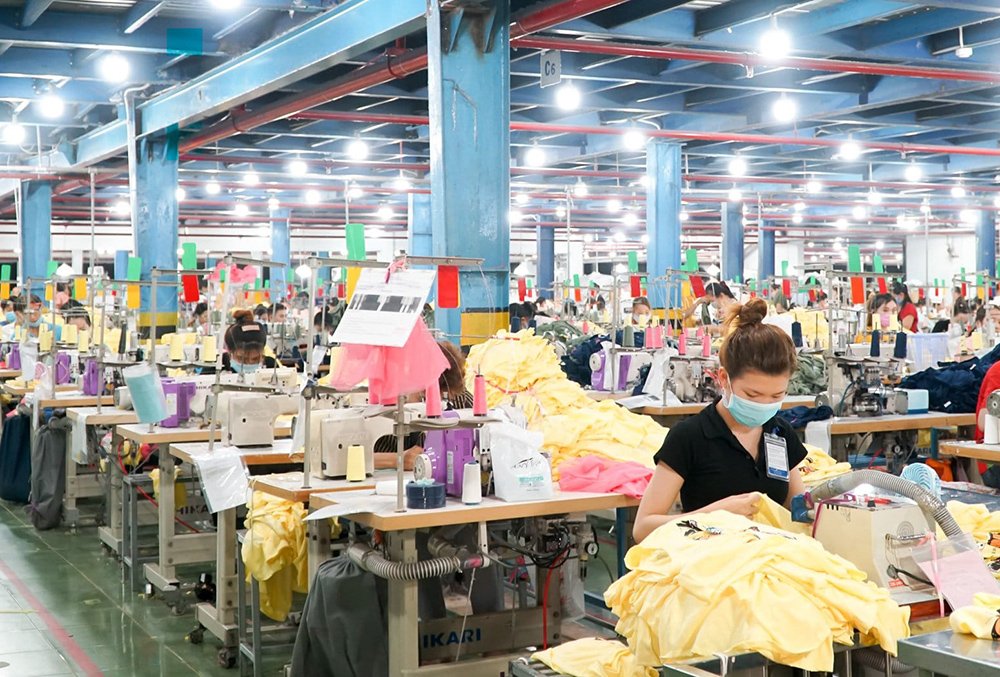
Quality Control Built Into Every Production Stage

Garment quality cannot depend on a single inspection after production is complete. By that point, an issue involving materials, cutting, measurements, construction, or decoration may already affect a significant part of the order.

MYB integrates quality checks into the garment manufacturing process so that requirements can be confirmed early, production conditions can be monitored, and identified problems can be addressed before garments move too far into the next stage.

Our quality control approach is designed to support four practical outcomes:

Alignment With the Approved Standard

Production teams need clear references for measurements, construction, materials, trims, branding details, finishing, and packaging.

Earlier Identification of Problems

Checking work during production makes it possible to identify recurring issues before they affect more garments.

Greater Production Consistency

Measurements, workmanship, appearance, and garment details are reviewed against confirmed requirements throughout the order.

Accurate Order Completion

Final checks extend beyond the garment itself to labels, quantities, assortments, individual packing, and carton preparation.

How MYB Manages Garment Quality

MYB's quality control workflow follows the progression of an apparel order. Each stage has a different purpose, and the results from one stage help determine whether production is ready to continue.

  1. 01

    Requirements and Standards Confirmation

    We review the information that defines the product, including specifications, measurements, materials, construction, trims, decoration, labels, and packing instructions.

  2. 02

    Pre-Production Preparation

    The approved sample and confirmed production information establish the practical reference for bulk manufacturing.

  3. 03

    In-Process Quality Checks

    Cutting, sewing, printing, embroidery, washing, and finishing are reviewed at relevant stages so that issues can be addressed while production is active.

  4. 04

    Finished Garment Inspection

    Completed garments are checked for measurements, workmanship, appearance, garment details, and consistency with the approved requirements.

  5. 05

    Packing and Order Release

    Labels, assortments, quantities, folding, individual packaging, and carton requirements are verified before the order is prepared for shipment.

Pre-Production Quality Preparation

Consistent production begins with a clear and usable standard. Before bulk manufacturing starts, MYB reviews the information that production and quality teams will use to evaluate the garments.

The production reference may include:

  • Tech packs and product specifications
  • Approved development or pre-production samples
  • Measurement charts and agreed tolerances
  • Fabric, trim, label, and accessory requirements
  • Stitching and garment construction details
  • Print or embroidery artwork and placement
  • Washing and finishing instructions
  • Folding, packaging, and carton requirements

The approved sample provides a physical reference for details that may not be fully communicated through written specifications alone. MYB's sample approval process helps confirm the garment's fit, construction, appearance, materials, and branding details before bulk production proceeds.

When specifications change, the relevant production information must also be updated. This helps prevent outdated measurements, artwork, labels, or construction instructions from being used during manufacturing.

Incoming Fabric, Trim and Label Checks

Materials can introduce variation before a garment reaches the sewing line. Fabric, trims, labels, and accessories therefore need to be reviewed against the confirmed product requirements before they are used in bulk production.

Depending on the garment and customer specifications, incoming checks may cover:

  • Material identity and consistency with the approved reference
  • Fabric color, surface appearance, hand feel, and visible defects
  • Trim color, finish, size, and function
  • Zippers, buttons, snaps, cords, elastic, and other components
  • Main labels, size labels, care labels, and hangtags
  • Artwork, wording, sizing, and placement information
  • Material organization and identification for production

If a material does not match the confirmed requirement, it should be reviewed before cutting or assembly. Identifying discrepancies at this stage is more efficient than discovering the same issue after the material has already been converted into finished garments.

In-Process Quality Control

In-process checks focus on how the approved requirements are being translated into bulk production. The exact checkpoints depend on the garment design, construction method, materials, decoration, and finishing processes involved.

Cutting Checks

Cut components need to correspond with the approved pattern, size requirements, fabric direction, and garment construction. Cutting-related errors can affect measurements, matching, symmetry, and assembly throughout the order.

Sewing and Assembly Checks

During sewing, attention is given to construction, seam execution, stitch condition, component placement, alignment, and general workmanship. Reviewing garments while sewing is in progress helps production teams correct repeated problems before more units are completed.

Printing and Embroidery Checks

Decoration is reviewed for artwork, size, color, placement, alignment, surface appearance, and compatibility with the garment. The approved reference remains the basis for evaluating the production result.

Washing and Finishing Checks

Where washing or special finishing is required, the resulting appearance, hand feel, color effect, measurements, and garment condition are reviewed against the confirmed requirement.

These checks are intended to keep production aligned while there is still an opportunity to make practical corrections.

Measurement and Workmanship Verification

A garment may look acceptable at first glance but still fail to meet the required dimensions or construction standard. Measurement and workmanship therefore need to be evaluated as separate but connected parts of garment quality.

MYB compares garments with the confirmed measurement chart, approved reference, and applicable tolerances at relevant production stages.

Measurement Review

  • Key points of measurement
  • Size-to-size consistency
  • Lengths, widths, openings, and garment proportions
  • Symmetry between corresponding garment parts
  • Dimensional changes associated with washing or finishing
  • Variations outside the confirmed tolerance

Workmanship Review

  • Seam construction and stitch condition
  • Loose, skipped, broken, or uneven stitching
  • Alignment of panels and garment components
  • Collar, cuff, waistband, pocket, and closure construction
  • Thread trimming and surface cleanliness
  • Print, embroidery, trim, and label placement
  • Overall garment balance and appearance

More detailed information about specifications, tolerances, and garment dimensions is available on our fit and measurement control page.

Final Inspection and Packing Release

Final inspection reviews the completed product and confirms whether the order is ready to move into packing and shipment preparation. It does not replace earlier controls; it verifies the result of the full production process.

MYB's production inspection process may review the following areas according to the product and confirmed customer requirements.

Finished Garment Review

  • Garment measurements and proportions
  • Sewing and construction quality
  • Overall shape, appearance, and cleanliness
  • Fabric and garment surface condition
  • Print, embroidery, washing, and finishing results
  • Trim, closure, label, and accessory placement
  • Consistency with the approved sample and specifications

Order and Packing Verification

  • Correct product, color, and size identification
  • Main labels, care labels, size labels, and hangtags
  • Folding and individual packaging requirements
  • Size and color assortments
  • Carton markings and packing instructions
  • Order organization for shipment preparation

Packing requirements vary by customer, sales channel, and destination. Our export packing requirements are coordinated according to the confirmed order instructions.

Where corrections are required, affected garments are reviewed again before they are accepted for packing.

Non-Conforming Garments, Rework and Reinspection

Finding a defect is only the first part of quality control. The issue must also be contained, evaluated, corrected where possible, and checked again before the garment moves forward.

Depending on the nature of the issue, the process may involve:

  1. 01

    Identifying the affected garment or production group

  2. 02

    Separating non-conforming items from accepted production

  3. 03

    Reviewing the cause and the extent of the problem

  4. 04

    Determining whether repair, rework, or replacement is appropriate

  5. 05

    Updating instructions when a repeated production issue is identified

  6. 06

    Reinspecting corrected garments before acceptance

Not every issue should be handled in the same way. A correction must not create a new problem involving appearance, measurements, durability, or garment performance. When a deviation requires the buyer's decision, it should be communicated rather than treated as an unapproved production change.

Quality Records and Buyer Communication

Production consistency depends on reliable information as much as physical inspection. Approved requirements, revisions, and quality-related decisions need to remain clear throughout product development and manufacturing.

Relevant production records may include:

  • Approved samples and reference details
  • Current tech packs and measurement specifications
  • Confirmed material, trim, and label information
  • Print and embroidery artwork
  • Washing and finishing instructions
  • Packing and assortment requirements
  • Identified discrepancies and corrective actions
  • Buyer confirmations for approved changes

Clear communication helps prevent older specifications or unconfirmed revisions from reaching the production floor. It also gives buyers greater visibility when a material, construction, measurement, or appearance issue requires clarification.

MYB maintains communication through product development, sampling, production, inspection, and shipment preparation so that important requirements can be followed consistently.

Frequently Asked Questions

How does MYB control quality during garment manufacturing?

MYB incorporates quality checks into material preparation, pre-production confirmation, cutting, sewing, decoration, finishing, completed-garment inspection, and packing. The exact checkpoints depend on the product and the customer's confirmed requirements.

How do you keep bulk production consistent with the approved sample?

The approved sample, tech pack, measurement chart, material details, construction requirements, artwork, labels, and packaging instructions form the production reference. These details are reviewed before bulk production and used during subsequent quality checks.

Are garment measurements checked during production?

Garments can be measured at relevant production stages and again during finished-garment inspection. Results are compared with the confirmed measurement chart and applicable tolerances.

What is checked before garments are packed?

Checks may cover measurements, workmanship, appearance, construction, decoration, labels, hangtags, size identification, folding, individual packaging, assortments, and carton instructions.

What happens if a defect is found?

Affected garments are identified and reviewed to determine the appropriate action. Depending on the issue, this may involve repair, rework, replacement, updated production instructions, and reinspection before acceptance.

Can buyers provide their own quality requirements?

Yes. Buyers can provide tech packs, measurement tolerances, reference samples, inspection criteria, labeling instructions, and packaging standards. These requirements should be clarified and confirmed before production begins.

Does quality control include labels and packaging?

Yes. Garment quality includes more than sewing and measurements. Labels, hangtags, size identification, folding, individual packaging, assortments, and carton instructions also need to match the confirmed order requirements.

Discuss Your Quality Requirements With MYB

Every apparel order has its own product standards, target market, construction details, and acceptable tolerances. Sharing these requirements early makes it easier to establish clear production and inspection references.

Send us your tech pack, reference sample, measurement chart, material information, branding details, estimated quantity, and packaging requirements. Our team can review the project information and discuss how your quality expectations should be prepared for sampling and production.

Contact MYB
滚动至顶部